

Silverfish
Lepisma saccharina
Ancient moisture-dwelling insects that destroy paper, fabric, and stored goods while remaining largely out of sight.
"Your pest problem
is our business"
is our business"
- RainCity Pest Control -
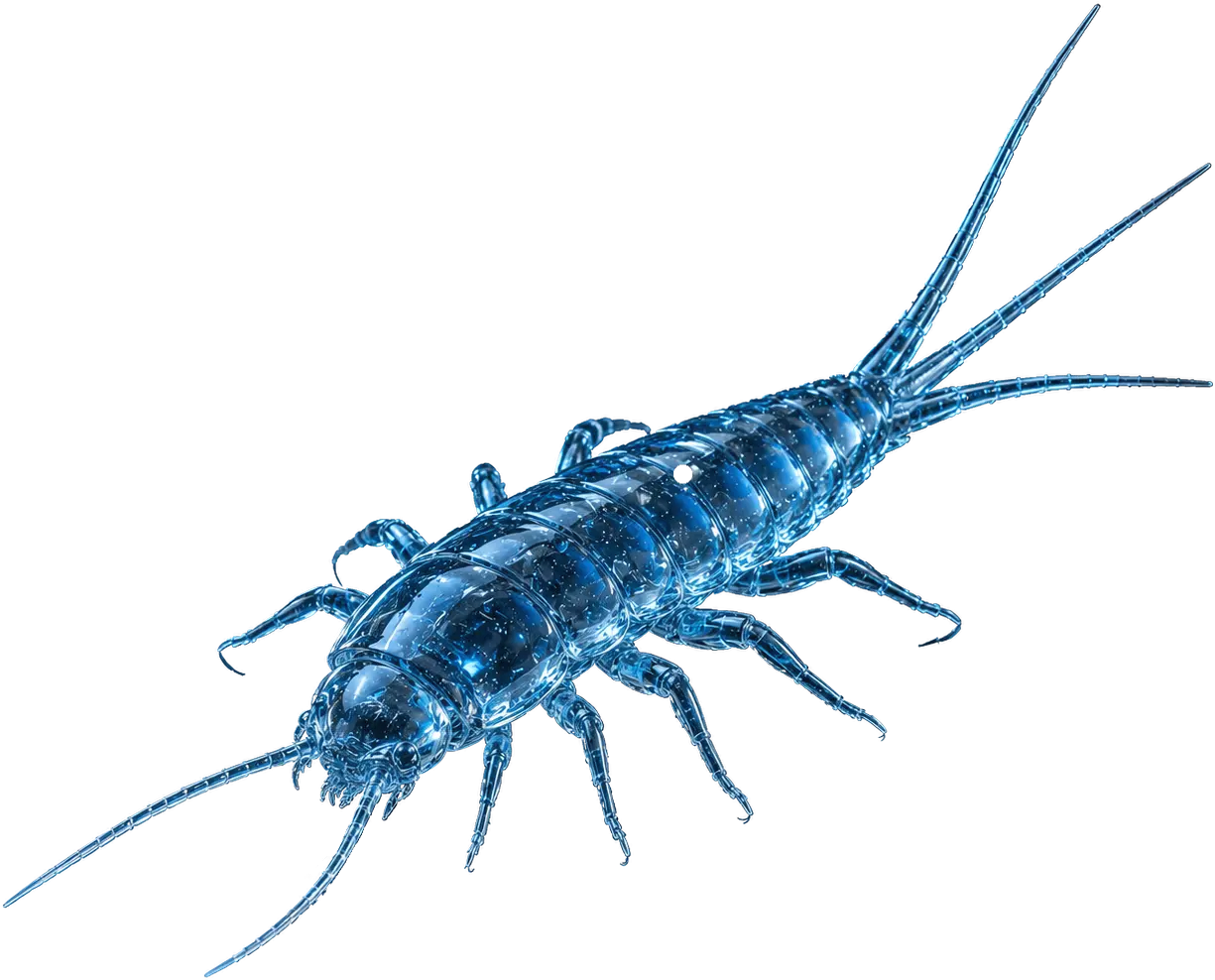
Pest problems in Silverfish? Raincity can help!
Proudly Canadian
Pet Friendly
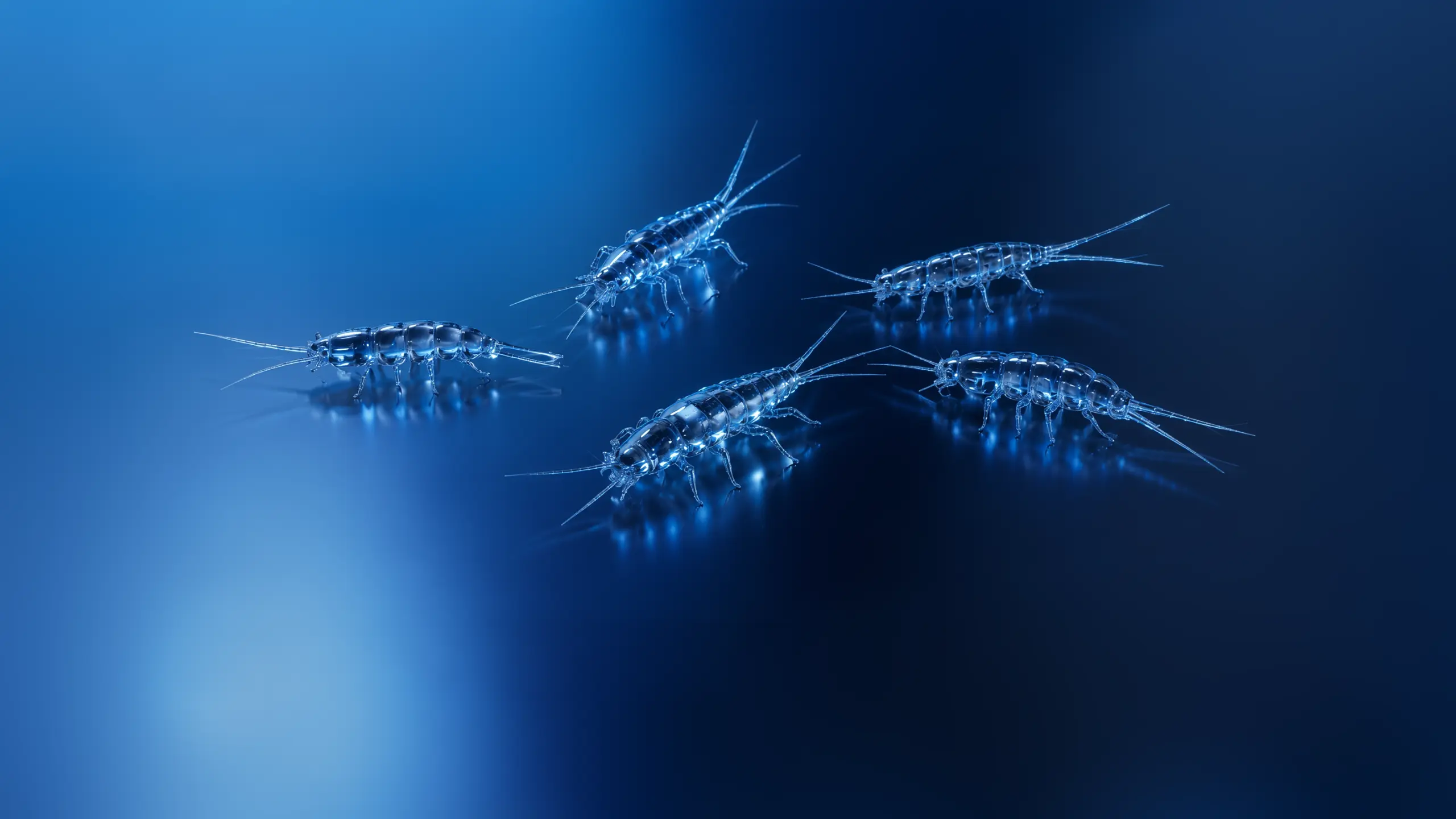
Silverfish
Overview
Ancient moisture-loving insects that silently destroy books, wallpaper, clothing, and pantry goods. A silverfish sighting often signals a hidden moisture problem.
Silent Destroyers of Paper, Fabric, and Food
Silverfish are one of the oldest insect species on Earth, and one of the most commonly encountered household pests in British Columbia’s damp climate. They thrive in humid environments — basements, bathrooms, attics, and wall voids — and can survive for months without food. Though they pose no direct health risk, silverfish cause significant damage to irreplaceable items including books, documents, photographs, wallpaper, and natural-fibre clothing.
Get a free Quote. Give us a call.
236.521.8668


Raincity
Risk Index
Our Risk Index breaks down each pest's threat level so you know exactly what you're dealing with and how urgently to act.
Risks: Silverfish
Property
Damage
6 / 10
Nuisance
Level
5 / 10
Health
Threat
1 / 10Structural & Material
Noise & Disruption
Bite & Disease Exposure
What This Means For You
Silverfish feed on paper, book bindings, wallpaper paste, starch in clothing, and pantry items. They can cause irreversible damage to books, documents, photographs, and natural-fibre textiles over time.
Silverfish are alarming to discover due to their speed and appearance. Their presence in large numbers — particularly in bedrooms and closets — causes significant distress.
Silverfish pose virtually no direct health risk to humans. They do not bite, sting, or transmit disease. Some individuals may experience minor allergic reactions to shed scales.
Know Your Pest
Silverfish Knowledge, Prevention Tips & Home Protection Advice.
Facts: Silverfish
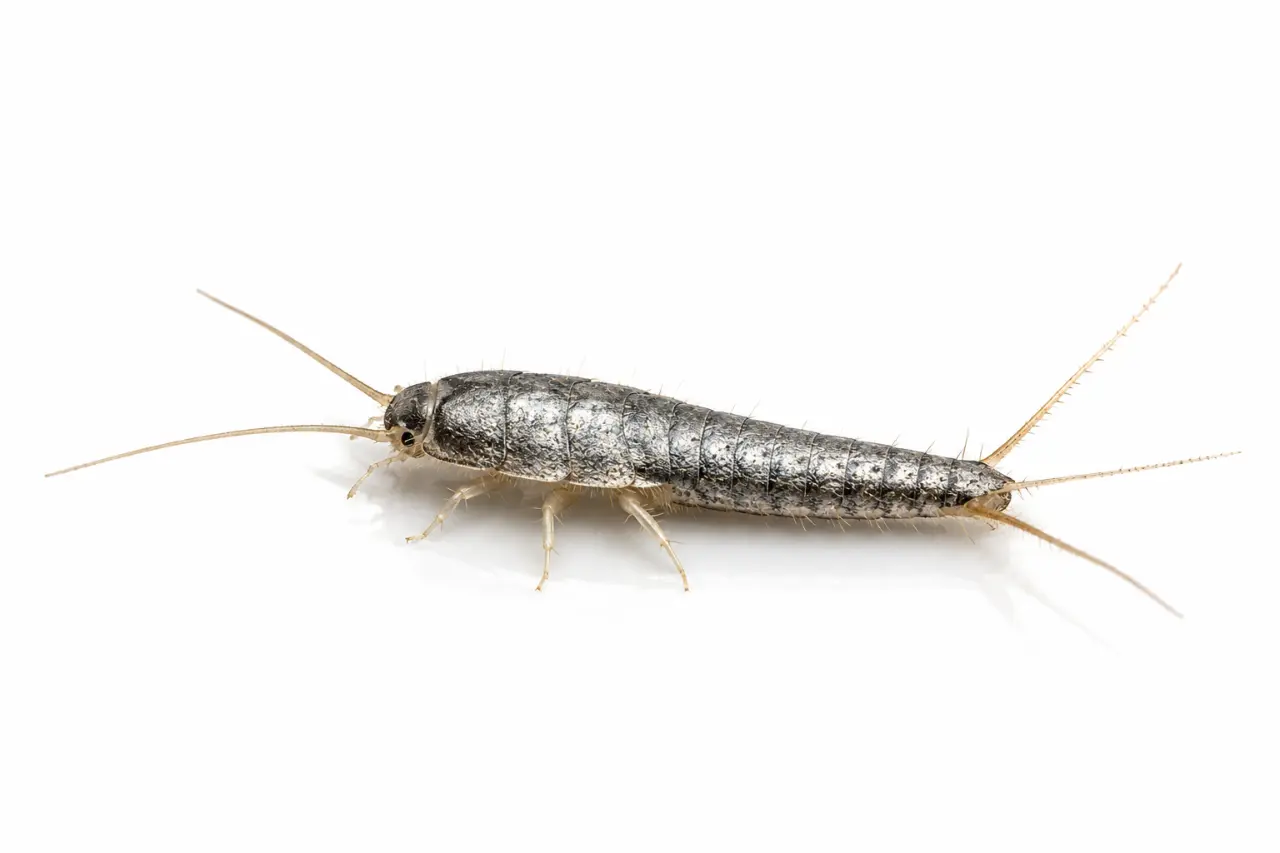
Elongated, teardrop-shaped body 12–25mm; silvery-grey metallic sheen; three tail-like appendages; two long antennae; moves with a distinctive fish-like wriggling motion.
Starches, sugars, cellulose — paper, book bindings, wallpaper, clothing, dry goods
Slow — silverfish live 2–8 years and reproduce slowly; populations build gradually
Summer
Spring
Fall
Winter
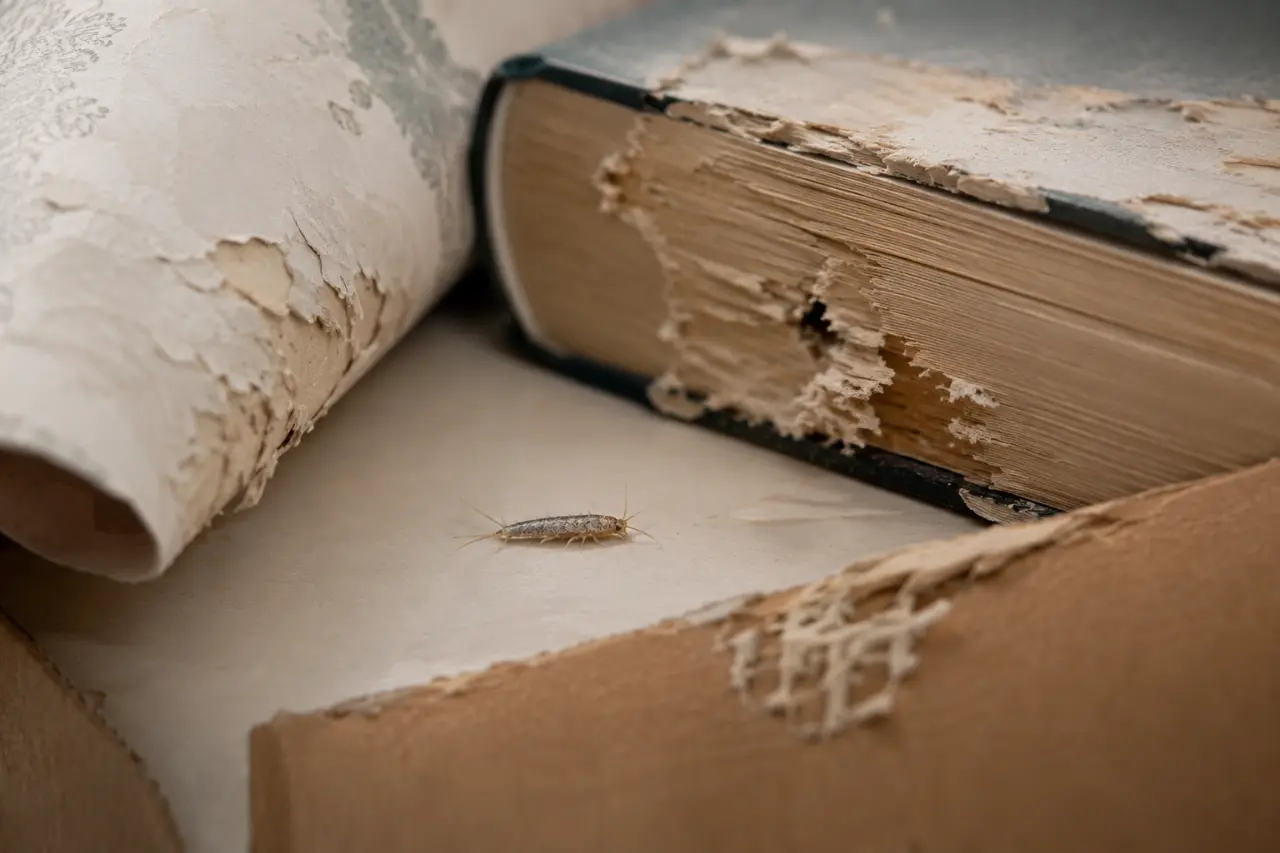
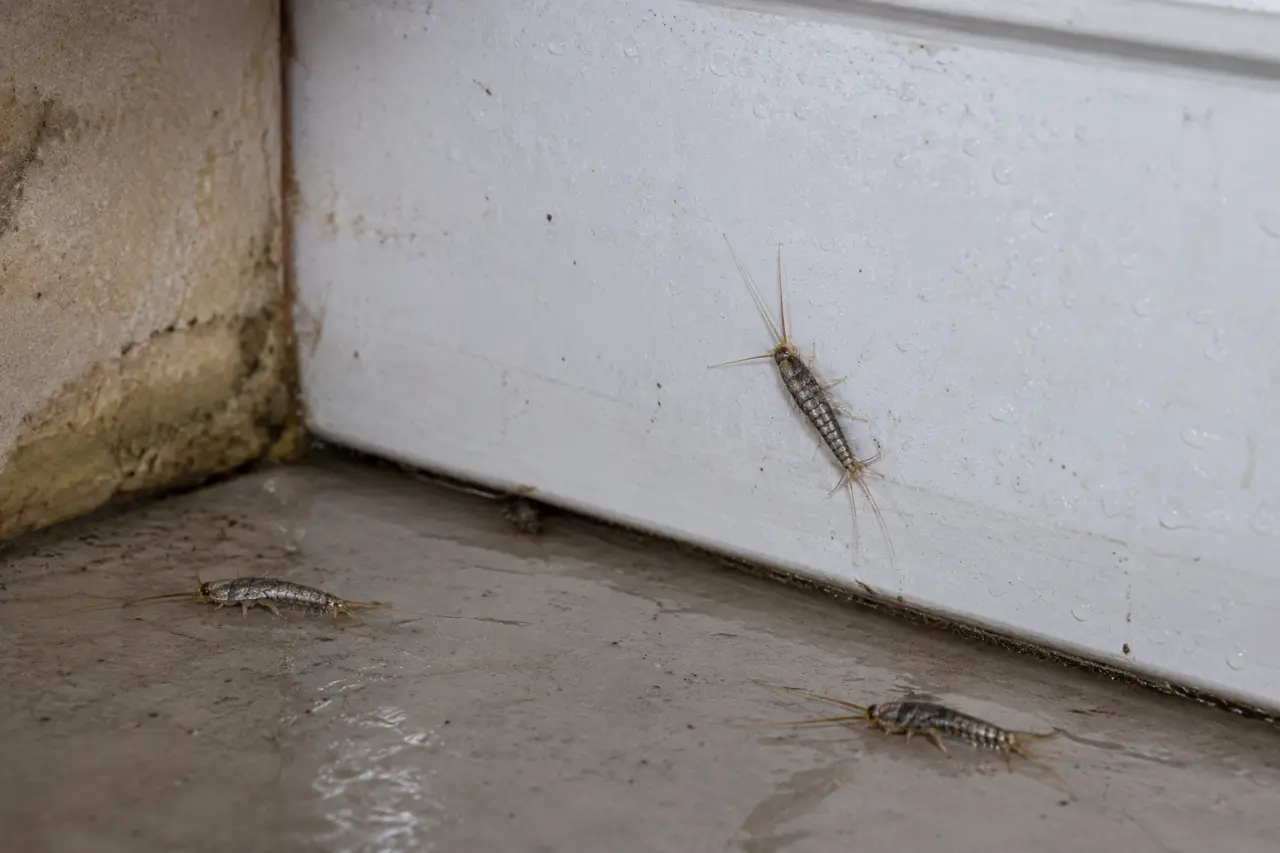

A silverfish infestation almost always points to elevated moisture levels somewhere in the structure. Treating the pest without addressing the moisture source will result in recurring populations. RainCity always recommends a moisture audit alongside treatment.
Use a dehumidifier in basement and bathroom areas to keep relative humidity below 50%. Fix any leaking pipes or condensation issues. Store books, documents, and clothing in sealed plastic bins rather than cardboard boxes.
Residual Insecticide & Desiccant Dust Treatment (Safe when applied to voids)
Consumer sprays applied to surfaces rarely reach the wall voids, sub-floor cavities, and attic spaces where silverfish actually harbour. Without void treatment, surface sprays provide only temporary relief.
RainCity applies desiccant dusts (diatomaceous earth or silica aerogel) into wall voids and sub-floor cavities where silverfish harbour, combined with perimeter residual treatment for long-lasting control.
Desiccant dust injection into wall voids and attic/sub-floor spaces, combined with residual perimeter spray and moisture source identification.
Significant reduction within 2–4 weeks following treatment; full control achieved with concurrent moisture management.
Signs of Activity
Early detection prevents small issues from becoming full infestations. Watch for signs in hidden or undisturbed areas.
Irregular Surface Damage
Irregular scraped or etched damage on wallpaper, book covers, cardboard boxes, and paper — silverfish scrape the surface rather than chewing through material.
Yellow Staining
Yellow stains or irregular marks on paper, fabric, or wallpaper caused by silverfish feeding and excrement.
Shed Scales
Tiny, shiny silvery scales left behind in areas where silverfish harbour — along shelving, inside boxes, and in dark corners of closets and basements.
Live Sightings at Night
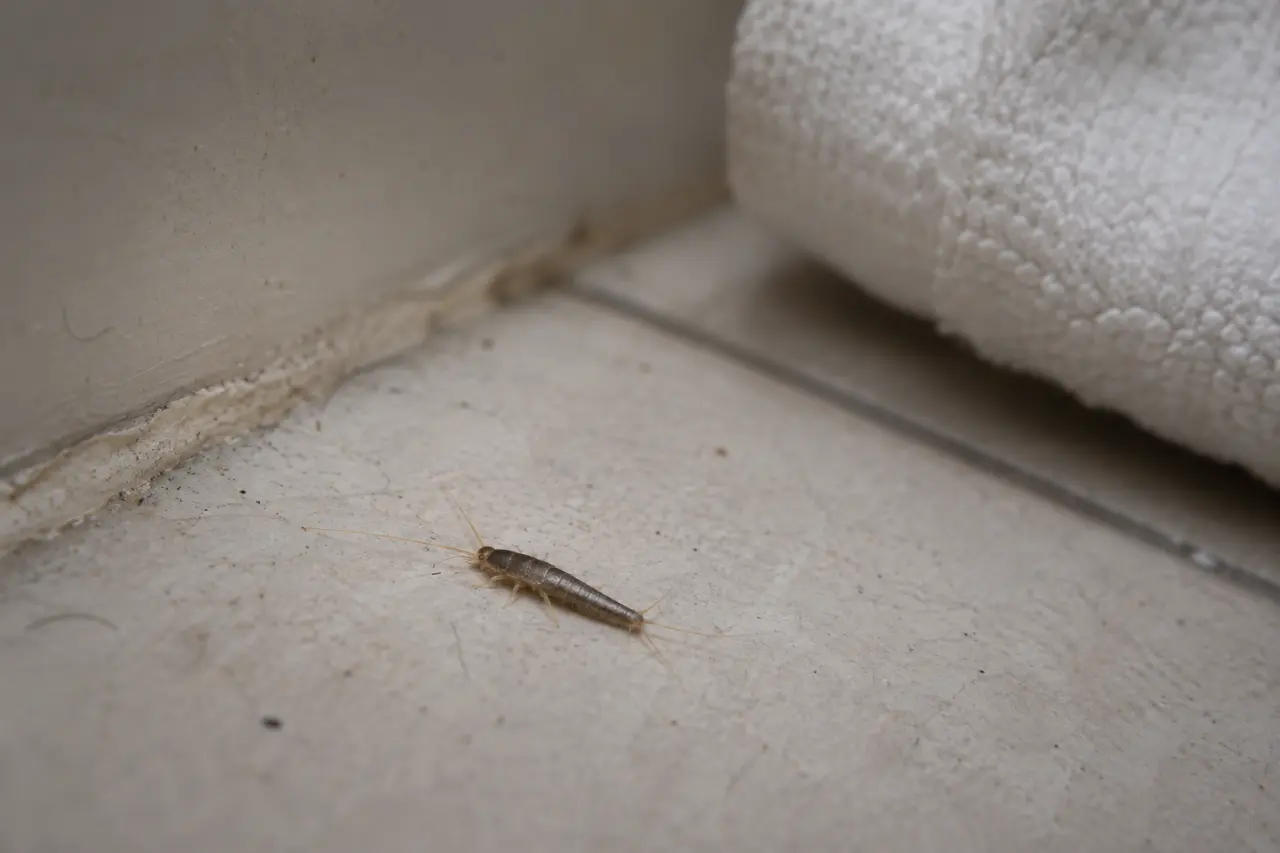
Silverfish are fast-moving nocturnal insects. Seeing one scurry across a bathroom floor or kitchen counter when the lights turn on is a common first sign.
Small Pepper-Like Droppings
Tiny black pepper-like droppings found in areas of activity — inside books, along shelving edges, and in pantry cupboards near dry food stores.
Frequently Asked Questions
Find expert answers to our most common questions and discover how we keep your home or business pest-free.
No. Silverfish do not bite, sting, or carry disease. They are a property pest rather than a health pest, but their damage to books, documents, and clothing can be significant and irreversible.
Silverfish require high humidity to survive and thrive. Bathrooms provide the warm, moist conditions they need. Improving ventilation and fixing any moisture sources is an important first step in control.
Yes — particularly natural-fibre clothing made from cotton, linen, silk, or wool. They are attracted to perspiration residue in worn clothing and the starch in pressed garments.
Long-term control requires reducing indoor humidity below 50%, sealing structural gaps, and removing food sources by storing paper goods and dry foods in sealed plastic containers.
Silverfish do not live in drains — they inhabit wall voids, sub-floor spaces, and attics. They may appear near drains because they are attracted to the moisture, but the infestation source is elsewhere in the structure.
Ready to Get Rid of Silverfish?
Let our professional team protect your home or business with proven solutions that work.
Schedule an inspection
- Local, licensed & Insured
- Fast Response & Reliable Service
- Satisfaction Guaranteed