

Mice
Mus musculus (House Mouse)
Prolific indoor rodents that contaminate food, damage property, and breed rapidly inside the walls of BC homes.
"Your pest problem
is our business"
is our business"
- RainCity Pest Control -

Pest problems in Mice? Raincity can help!
Proudly Canadian
Pet Friendly

Mice
Overview
Small but devastating — mice contaminate food, gnaw through wiring, and breed at alarming speed. A single pair can produce hundreds of offspring within months without professional intervention.
Small Size, Massive Problem
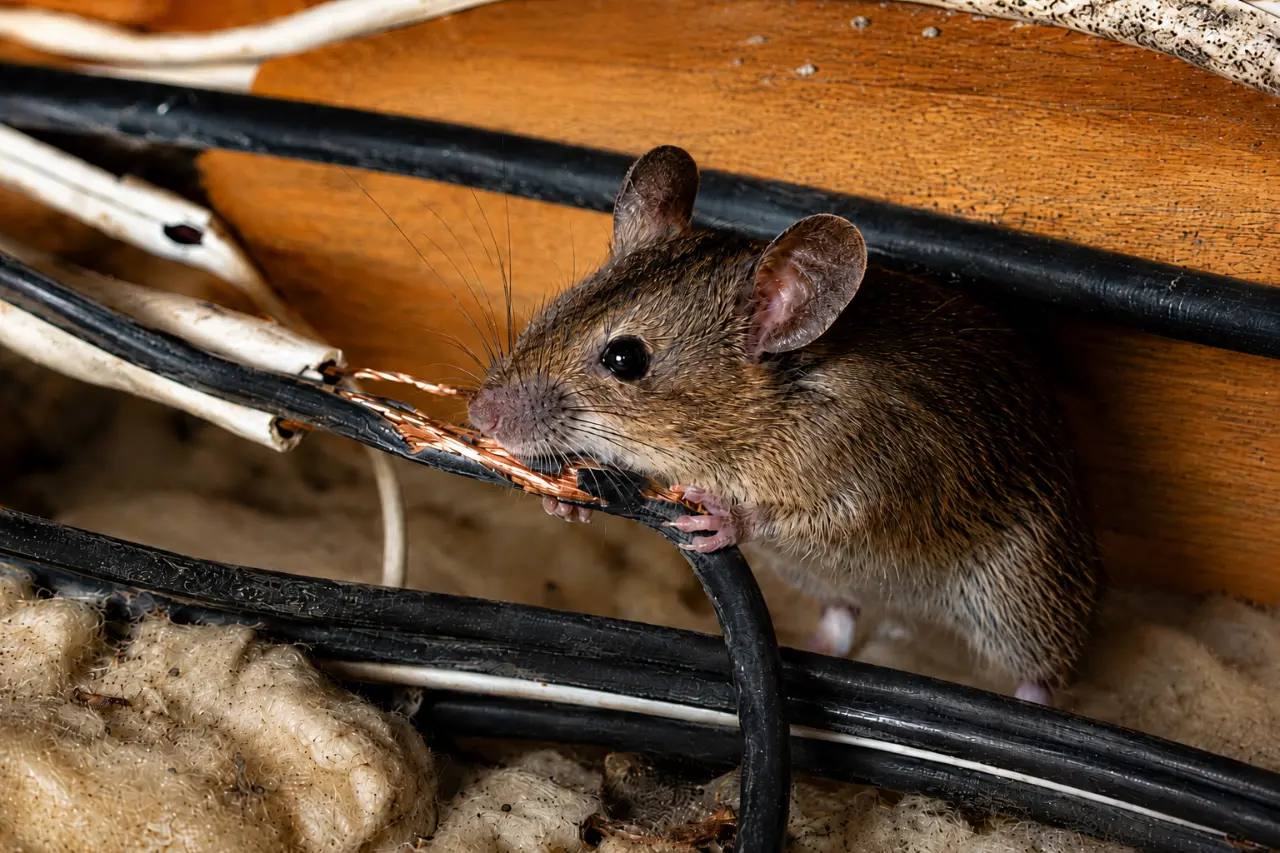
The House Mouse is the most frequently encountered rodent pest in British Columbia homes and businesses. Deceptively small, mice can squeeze through gaps as narrow as 6mm — the diameter of a pencil — making virtually any structure vulnerable to entry. They are prolific breeders, exceptional climbers, and largely nocturnal, meaning infestations are typically well-established before any signs are noticed. Beyond the contamination risk, mice gnaw constantly to keep their teeth worn down, putting electrical wiring, insulation, and structural materials at serious risk.
Get a free Quote. Give us a call.
236.521.8668


Raincity
Risk Index
Our Risk Index breaks down each pest's threat level so you know exactly what you're dealing with and how urgently to act.
Risks: Mice
Property
Damage
8 / 10
Nuisance
Level
7 / 10
Health
Threat
7 / 10Structural & Material
Noise & Disruption
Bite & Disease Exposure
What This Means For You
Constant gnawing damages electrical wiring, gas lines, insulation, and structural materials. Chewed wiring is a leading cause of residential fires. Nesting material accumulates in wall voids and appliance cavities.
Scratching and scurrying sounds in walls and ceilings disrupt sleep. Food contamination, foul odours, and the psychological stress of a rodent infestation significantly impact quality of life.
Mice spread Salmonella, Listeria, and Hantavirus through droppings, urine, and saliva. Dried droppings become airborne when disturbed, posing a serious respiratory risk. Mouse allergens are a significant trigger of childhood asthma.
Know Your Pest
Mice Knowledge, Prevention Tips & Home Protection Advice.
Facts: Mice
Small body (7–10cm); pointed snout; large rounded ears; thin, scaly tail equal to or longer than body; grey-brown fur; weighs 12–30g. Droppings are 3–6mm, rod-shaped with pointed ends.
Omnivorous — grains, seeds, fruit, insects, and virtually any human food waste
Very fast — females produce up to 10 litters per year; sexually mature at 6 weeks
Summer
Spring
Fall
Winter


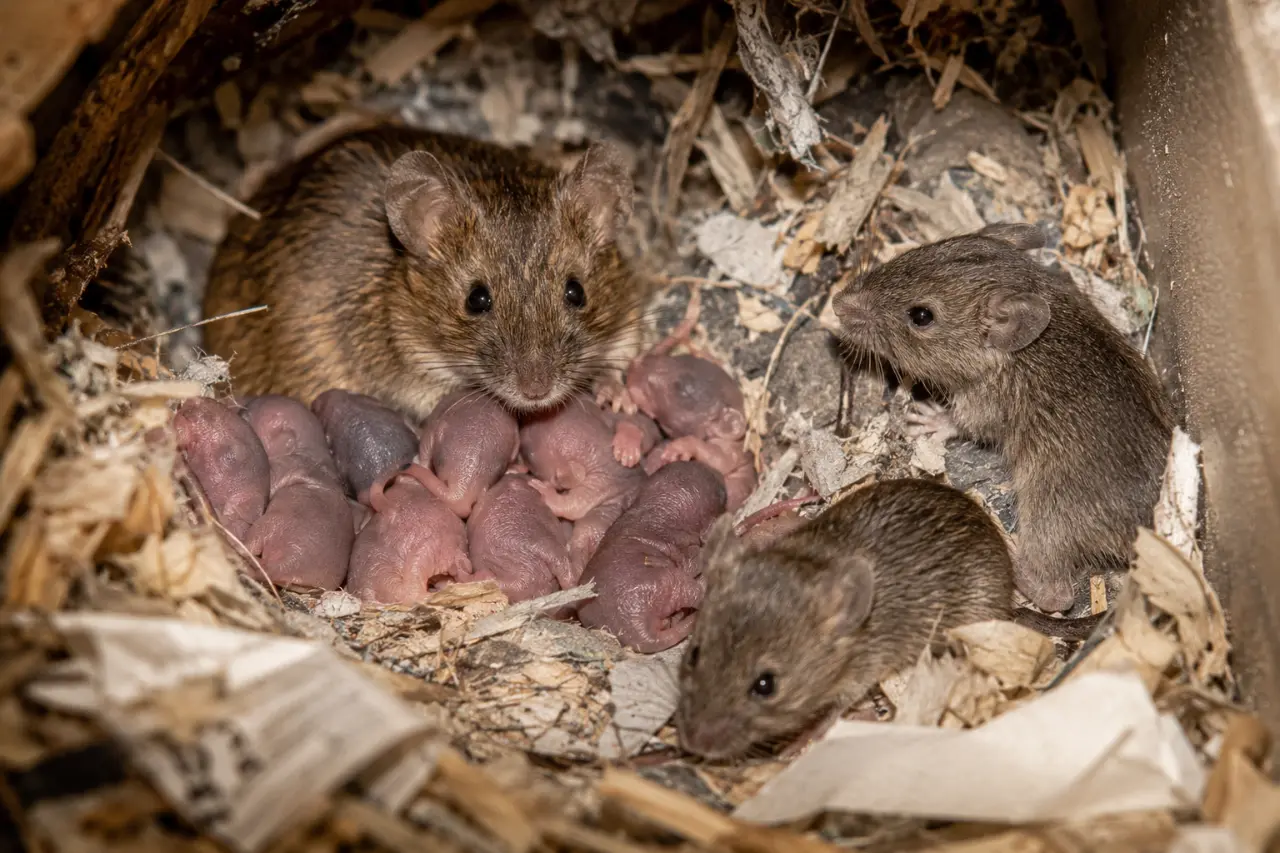

Mice follow the same routes repeatedly, leaving grease trails along walls and baseboards. A single female produces 5–10 litters of 6–8 pups per year — a pair of mice introduced in autumn can become a colony of 200+ by spring without intervention.
Seal every gap larger than 6mm around your foundation, utility penetrations, and roofline using steel wool packed with caulk or copper mesh. Mice cannot chew through these materials. Store food in hard-sided sealed containers and eliminate clutter that provides nesting sites.
Tamper-Resistant Bait Stations & Snap Traps (Pet/Kid Safe when professionally placed)
Hardware store snap traps and bait blocks can reduce visible mouse numbers but rarely eliminate the colony. Without identifying and sealing all entry points, new mice will continue entering to replace those removed.
RainCity conducts a full property inspection to identify all entry points, installs tamper-resistant bait stations in key activity zones, and provides a detailed exclusion report outlining every gap requiring sealing to prevent re-entry.
Tamper-resistant bait station placement combined with snap trap deployment in high-activity zones, full perimeter inspection, and structural exclusion recommendations.
Active population eliminated within 1–2 treatment visits; permanent resolution requires concurrent exclusion work to seal all identified entry points.
Signs of Activity
Early detection prevents small issues from becoming full infestations. Watch for signs in hidden or undisturbed areas.
Droppings Along Baseboards
Small, dark, rod-shaped droppings 3–6mm long with pointed ends found along baseboards, inside cupboards, behind appliances, and in pantry areas — the most reliable indicator of active mouse presence.
Gnaw Marks
Small, rough gnaw marks on food packaging, wooden furniture, door frames, electrical cables, and structural materials. Fresh gnaw marks are pale and lighter in colour; older marks darken over time.
Grease Trails
Dark smear marks along walls, baseboards, and around entry holes caused by the oils in mouse fur as they repeatedly travel the same routes — a clear sign of established runways.
Scratching Sounds at Night
Scurrying, scratching, or gnawing sounds coming from inside walls, ceilings, or under floorboards — most active in the two hours after the lights go out.
Nesting Material
Shredded paper, insulation, fabric, or plant material gathered into a ball-shaped nest found in dark, undisturbed areas such as inside appliances, behind stored boxes, or inside wall voids.
Frequently Asked Questions
Find expert answers to our most common questions and discover how we keep your home or business pest-free.
Mice can squeeze through any gap as small as 6mm — the size of a pencil. Common entry points include gaps around utility pipes, weep holes in brickwork, damaged weather stripping under doors, and openings in the roofline where materials have separated with age.
Yes. Mice contaminate food and surfaces with droppings, urine, and saliva that carry Salmonella, Listeria, and Hantavirus. Their gnawing on electrical wiring is also a leading cause of residential fires. Early treatment is important for both health and safety.
Very quickly. A female mouse can produce up to 10 litters of 6–8 pups per year, with young reaching sexual maturity in as little as six weeks. A small autumn introduction can become a colony of 200 or more by spring without treatment.
Traps can reduce the visible population but will not eliminate an infestation on their own. Without sealing all entry points, new mice will continue entering to replace those caught. Professional treatment combines population reduction with exclusion work for a permanent solution.
They are related but distinct. Mice are smaller, more agile, and tend to nest inside structures close to their food source. Rats are larger, more cautious, and often burrow near foundations. Both require professional treatment but the approach and product placement differ significantly.
Remove food from countertops and store it in sealed containers. Clear clutter from floor areas, under sinks, and in storage rooms to allow technician access. You do not need to vacate for most mouse treatments.
Ready to Get Rid of Mice?
Let our professional team protect your home or business with proven solutions that work.
Schedule an inspection
- Local, licensed & Insured
- Fast Response & Reliable Service
- Satisfaction Guaranteed