

Rats
Rattus spp.
Highly adaptable rodents that infiltrate structures and pose serious health and safety risks.
"Your pest problem
is our business"
is our business"
- RainCity Pest Control -

Pest problems in Rats? Raincity can help!
Proudly Canadian
Pet Friendly

Rats
Overview
Relentless gnawers that contaminate food, damage structures, and spread disease. Professional elimination is the only reliable solution in British Columbia.
A Hidden Threat Inside Your Walls
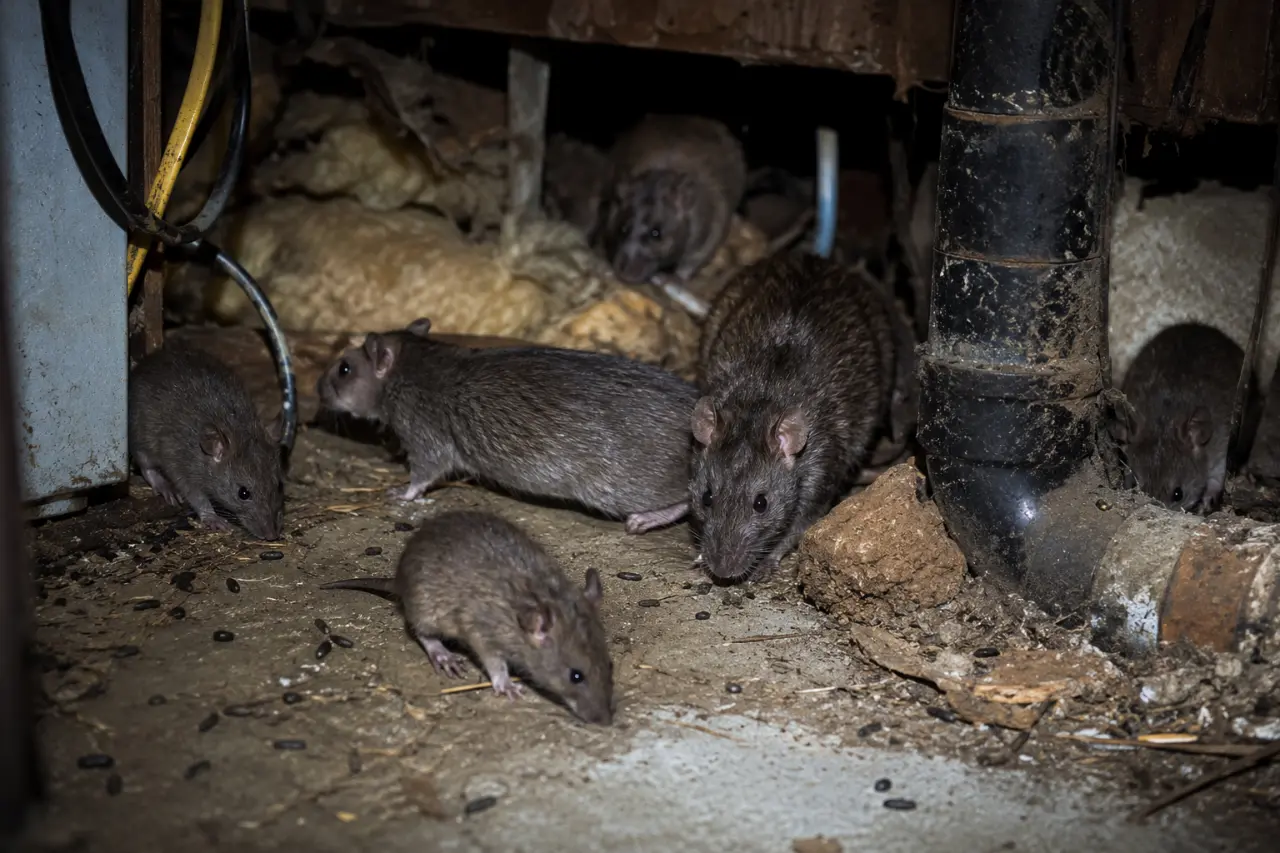
Rats are among the most destructive and adaptable pests in the Lower Mainland. They can squeeze through gaps the size of a quarter, gnaw through electrical wiring, and contaminate food stores with their droppings and urine. In the Greater Vancouver area, rat activity spikes in the fall as they seek warm shelter — making early intervention critical before an infestation becomes entrenched.
Get a free Quote. Give us a call.
236.521.8668


Raincity
Risk Index
Our Risk Index breaks down each pest's threat level so you know exactly what you're dealing with and how urgently to act.
Risks: Rats
Property
Damage
9 / 10
Nuisance
Level
7 / 10
Health
Threat
8 / 10Structural & Material
Noise & Disruption
Bite & Disease Exposure
What This Means For You
Constant gnawing damages electrical wiring, insulation, plumbing, and structural materials. Gnawed wires are a leading cause of house fires.
Scratching sounds in walls and ceilings at night, foul odours, and visible droppings cause significant stress and discomfort for occupants.
Rats carry Leptospirosis, Hantavirus, and Salmonella. Droppings and urine contaminate surfaces and can trigger respiratory illness.
Know Your Pest
Rats Knowledge, Prevention Tips & Home Protection Advice.
Facts: Rats
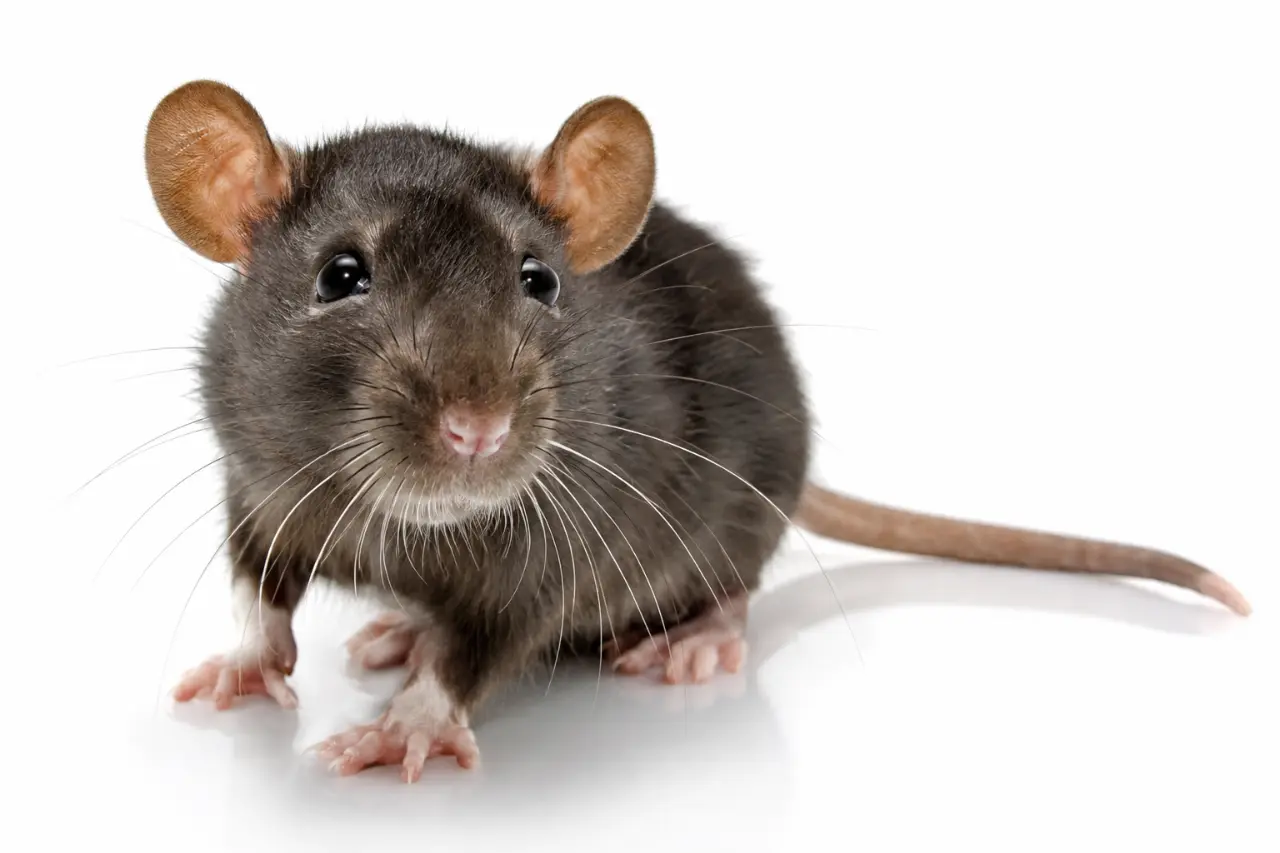
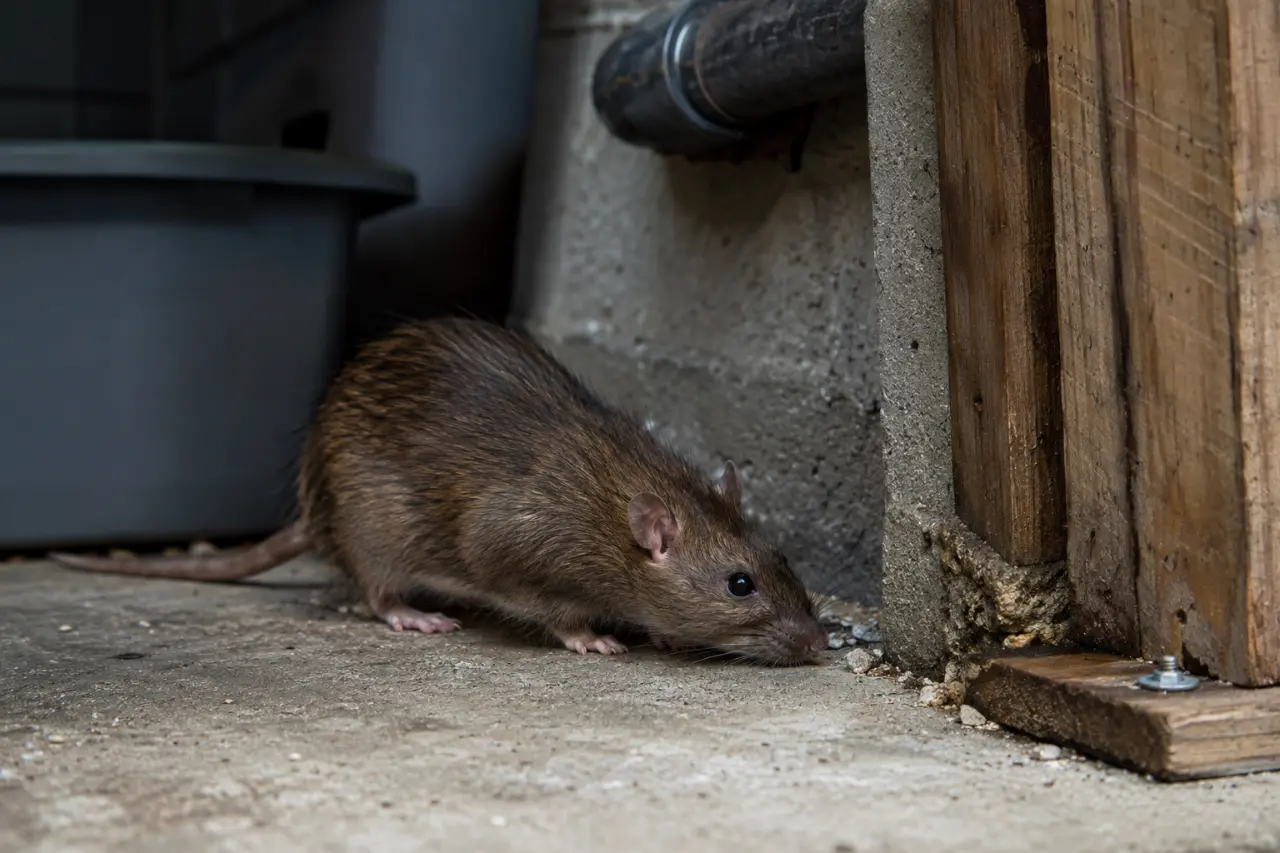
Heavy-bodied with blunt snouts; coarse brown or grey fur; scaly tail roughly equal to body length; large hind feet; small ears.
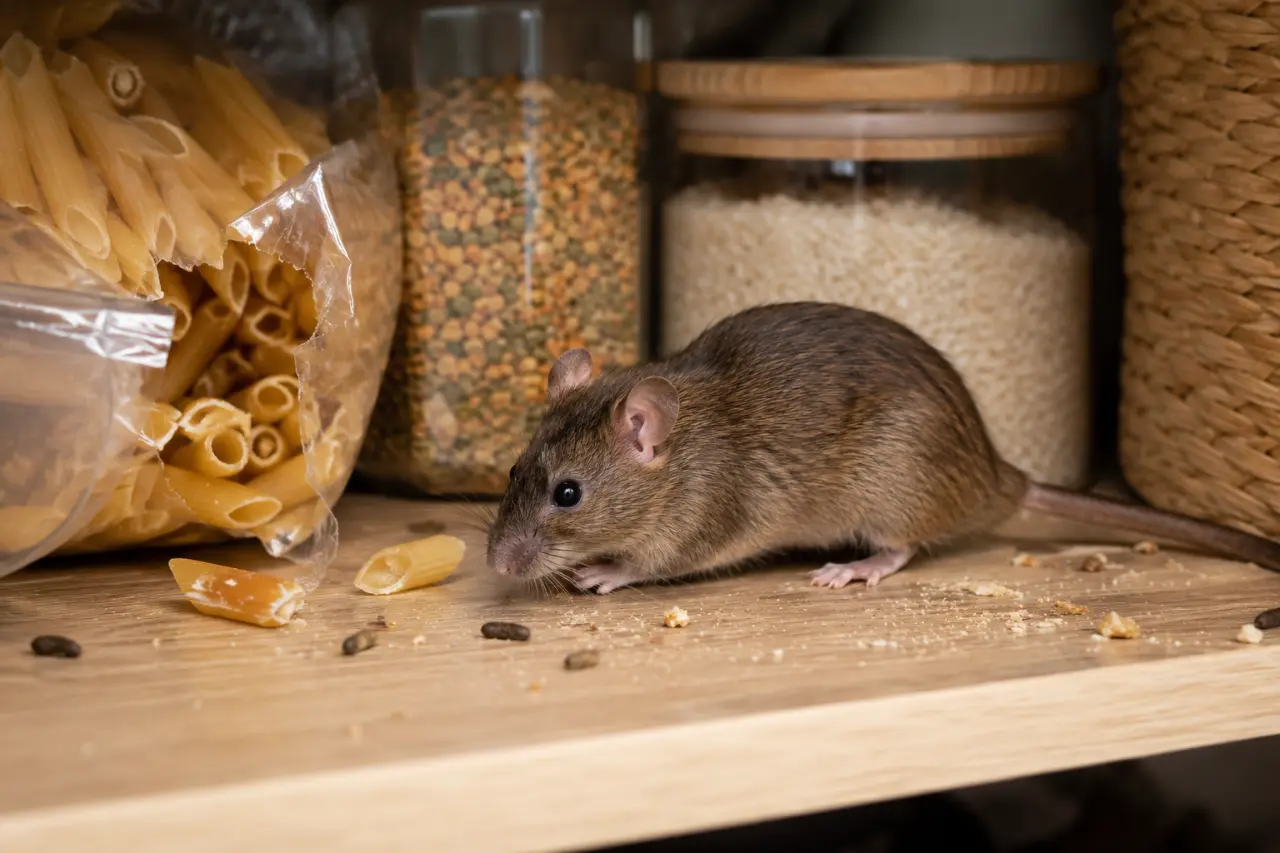
Omnivorous scavengers; highly attracted to pet food and fallen garden fruit.
Rapid. A single pair can result in 1,000+ offspring in a year.
Summer
Spring
Fall
Winter
In BC, fall and winter are peak entry seasons as rats seek warmth. A single pair can produce up to 2,000 descendants in one year — early intervention is essential to prevent rapid colony growth.
Seal all exterior gaps larger than 6mm with steel wool and caulk. Keep compost bins sealed and remove fallen fruit from yards — these are primary attractants.
Tamper-Resistant Bait Stations & Exclusion (Pet/Kid Safe when installed professionally)
Consumer snap traps and poisons address individual rats but rarely eliminate the colony. Without exclusion work, new rats will continue to enter through unidentified entry points.
RainCity combines a full property inspection to identify all entry points, professional-grade tamper-resistant bait stations, and structural exclusion to permanently close access routes.
Integrated approach combining tamper-resistant bait stations, snap trap placement in key activity zones, and physical exclusion of all identified entry points.
Active colony eliminated within 1–2 treatment visits; full exclusion completed to prevent re-entry.
Signs of Activity
Early detection prevents small issues from becoming full infestations. Watch for signs in hidden or undisturbed areas.
Droppings
Dark, capsule-shaped droppings roughly 12–18mm long found along baseboards, in cupboards, or near food sources.
Gnaw Marks
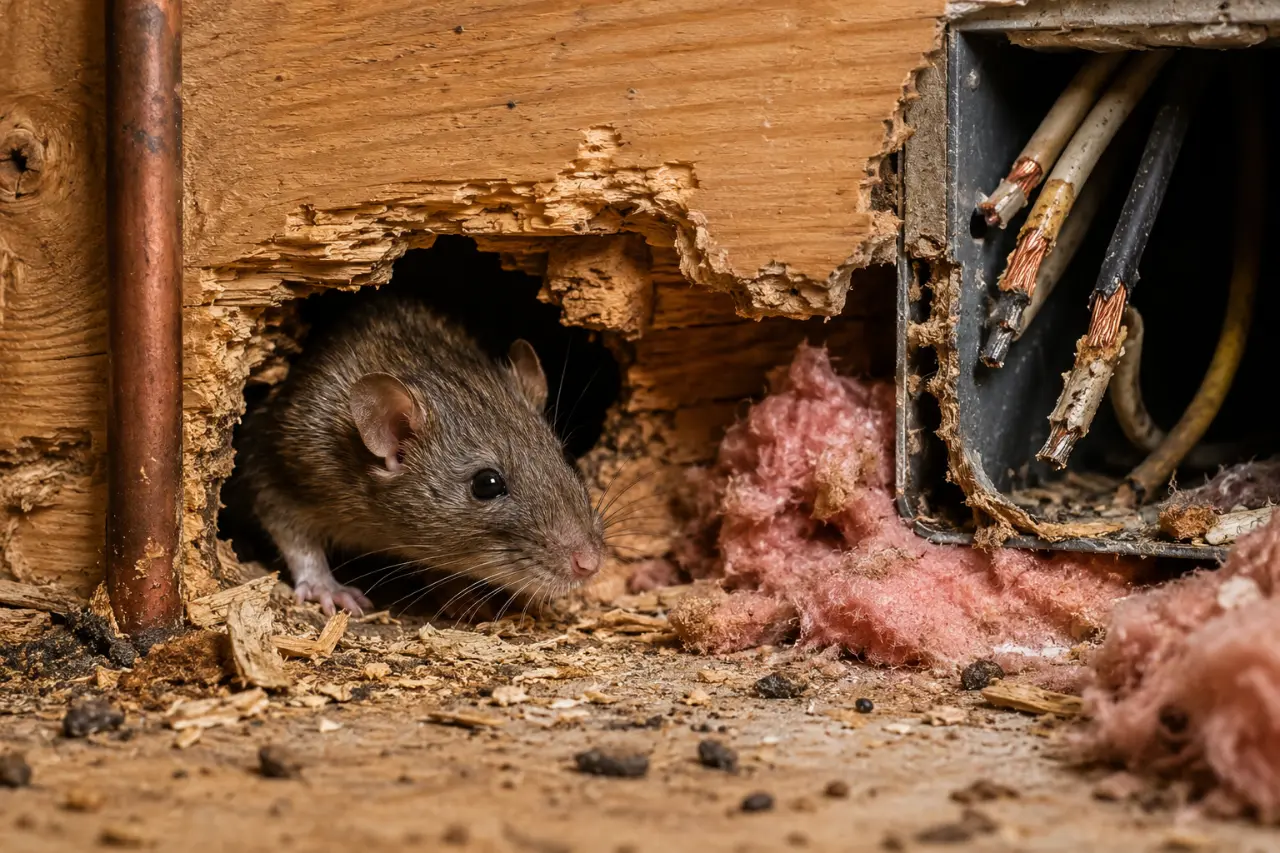
Rough chew marks on food packaging, wooden beams, plastic pipes, or electrical wiring insulation.
Scratching Sounds
Nocturnal scratching, scurrying, or squeaking sounds coming from inside walls, ceilings, or under floors.
Grease Trails
Dark smear marks along walls and baseboards caused by the oils in rat fur repeatedly travelling the same routes.
Burrows or Nesting Material
Shredded insulation, paper, or fabric gathered into nests found in dark, undisturbed areas such as attics or under decking.
Frequently Asked Questions
Find expert answers to our most common questions and discover how we keep your home or business pest-free.
Rats can squeeze through any gap larger than 6mm. Common entry points include gaps around pipes, damaged vents, uncapped chimneys, and openings under garage doors.
Yes. Rats can bite pets and transmit disease. Secondary poisoning is also a risk if pets consume a rat that has ingested rodenticide — professional bait station placement minimises this risk.
A female rat can produce 5–10 litters per year with up to 14 pups per litter. A small problem can become a serious infestation within weeks if left untreated.
No. Once rats establish a food and shelter source they will not leave voluntarily. Active intervention and exclusion work are required to permanently resolve an infestation.
Ready to Get Rid of Rats?
Let our professional team protect your home or business with proven solutions that work.
Schedule an inspection
- Local, licensed & Insured
- Fast Response & Reliable Service
- Satisfaction Guaranteed