

Fleas
Siphonaptera (Cat Flea: Ctenocephalides felis)
Fast-breeding parasites that infest pets and carpets, biting humans and animals while eggs hide deep in flooring.
"Your pest problem
is our business"
is our business"
- RainCity Pest Control -
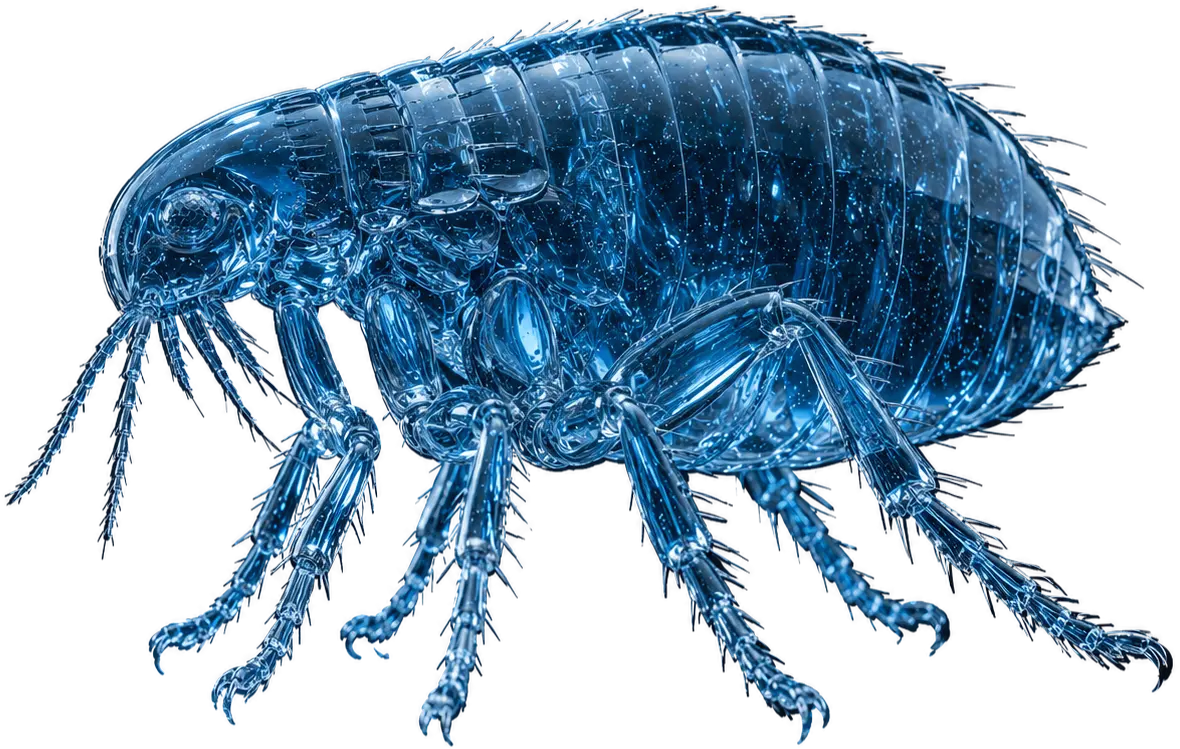
Pest problems in Fleas? Raincity can help!
Proudly Canadian
Pet Friendly
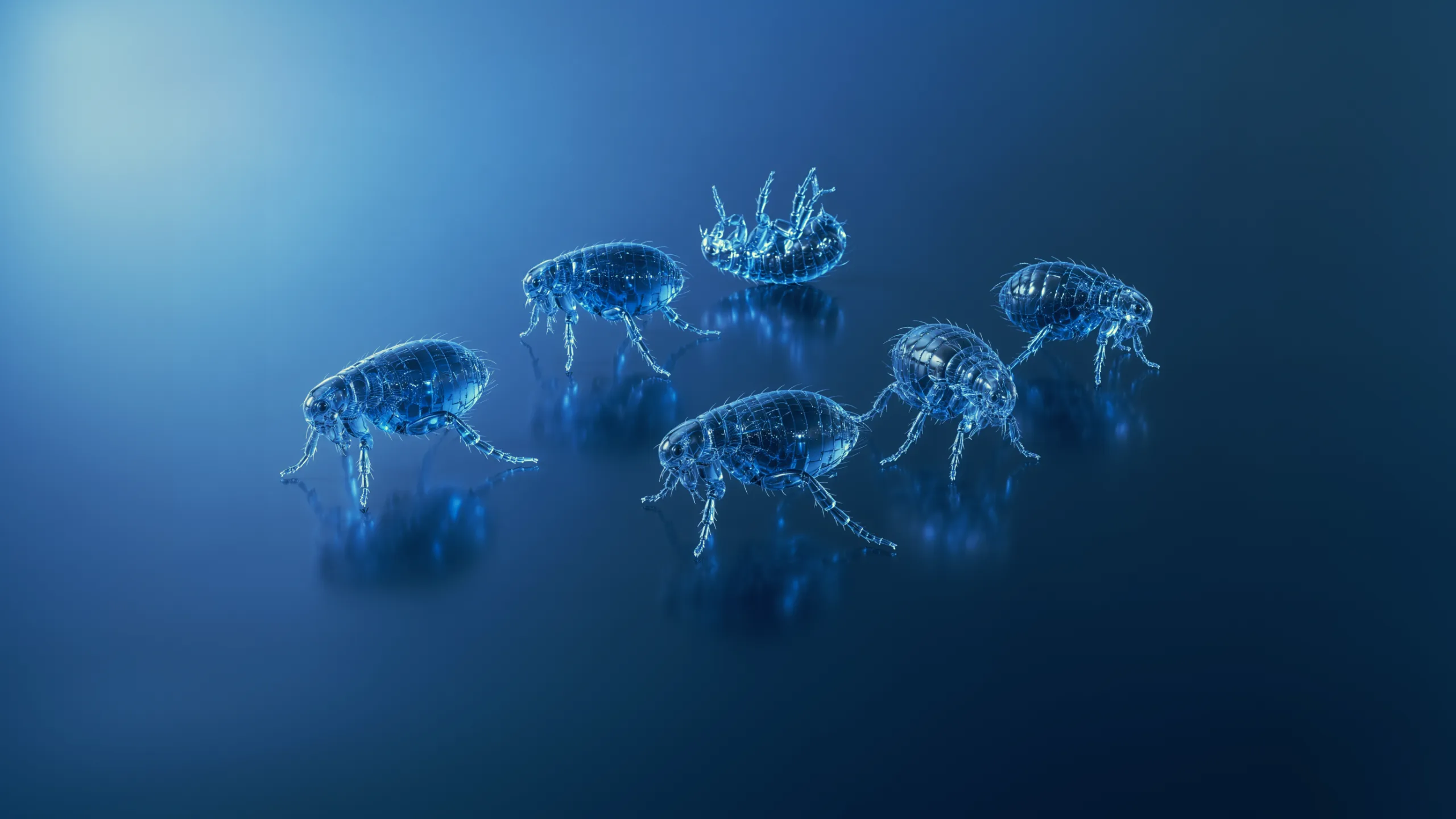
Fleas
Overview
Tiny jumping parasites that infest pets and homes, feeding on humans and animals alike. Flea eggs in carpets and furniture can sustain an infestation for months.
A Pet Problem That Quickly Becomes a Home Problem
Fleas are the most common external parasite affecting cats and dogs in British Columbia, but they rarely limit themselves to pets. Once flea eggs drop into carpets, furniture, and floor cracks, a full household infestation can develop rapidly. Flea larvae can remain dormant in flooring for months, making DIY treatment unreliable unless every life stage is addressed simultaneously.
Get a free Quote. Give us a call.
236.521.8668


Raincity
Risk Index
Our Risk Index breaks down each pest's threat level so you know exactly what you're dealing with and how urgently to act.
Risks: Fleas
Property
Damage
2 / 10
Nuisance
Level
8 / 10
Health
Threat
6 / 10Structural & Material
Noise & Disruption
Bite & Disease Exposure
What This Means For You
Fleas cause no structural damage but eggs and larvae deeply embedded in carpets and upholstery are difficult to remove and can sustain an infestation long after pets are treated.
Persistent biting around ankles and legs, itchy pets, and the difficulty of eradicating every life stage make flea infestations highly disruptive to daily home life.
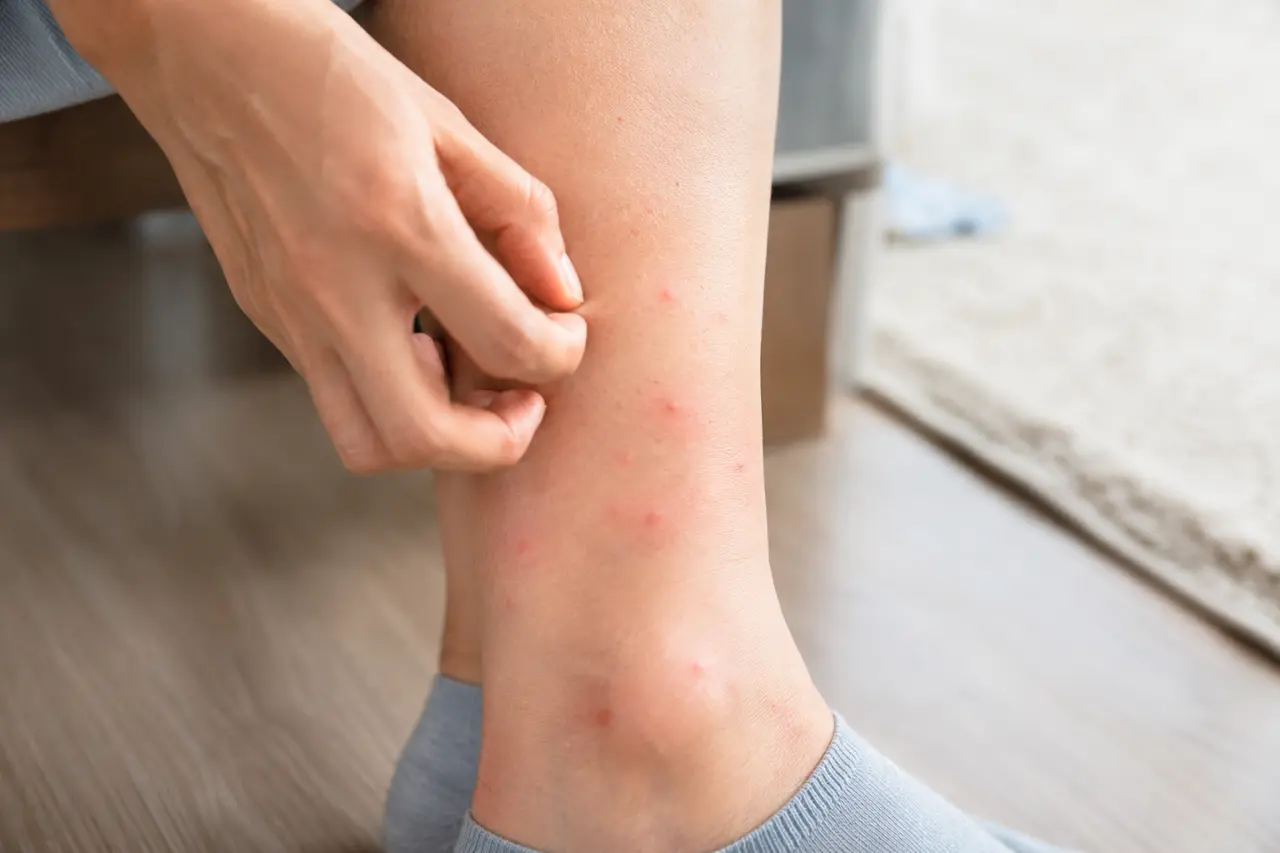
Flea bites cause intense itching and can trigger allergic dermatitis in sensitive individuals. Fleas can transmit tapeworms to pets and, rarely, to humans. Secondary skin infections from scratching are common.
Know Your Pest
Fleas Knowledge, Prevention Tips & Home Protection Advice.
Facts: Fleas
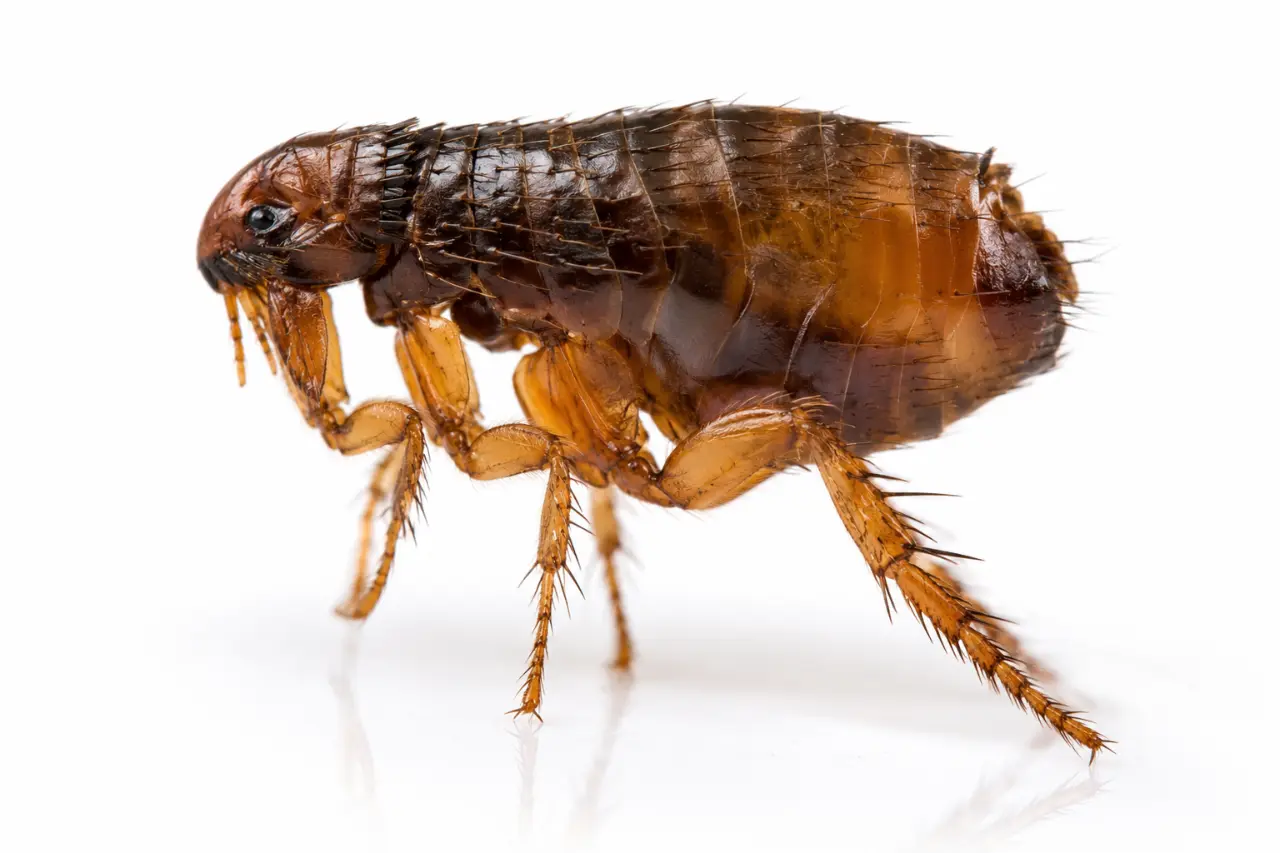
Tiny (1–3mm); dark reddish-brown; laterally flattened; no wings; powerful hind legs for jumping up to 30cm horizontally; visible to the naked eye on light-coloured surfaces.
Blood — primarily from cats and dogs, but will readily feed on humans
Very fast — a single female lays up to 50 eggs per day; full lifecycle in as little as 2–3 weeks
Summer
Spring
Fall
Winter
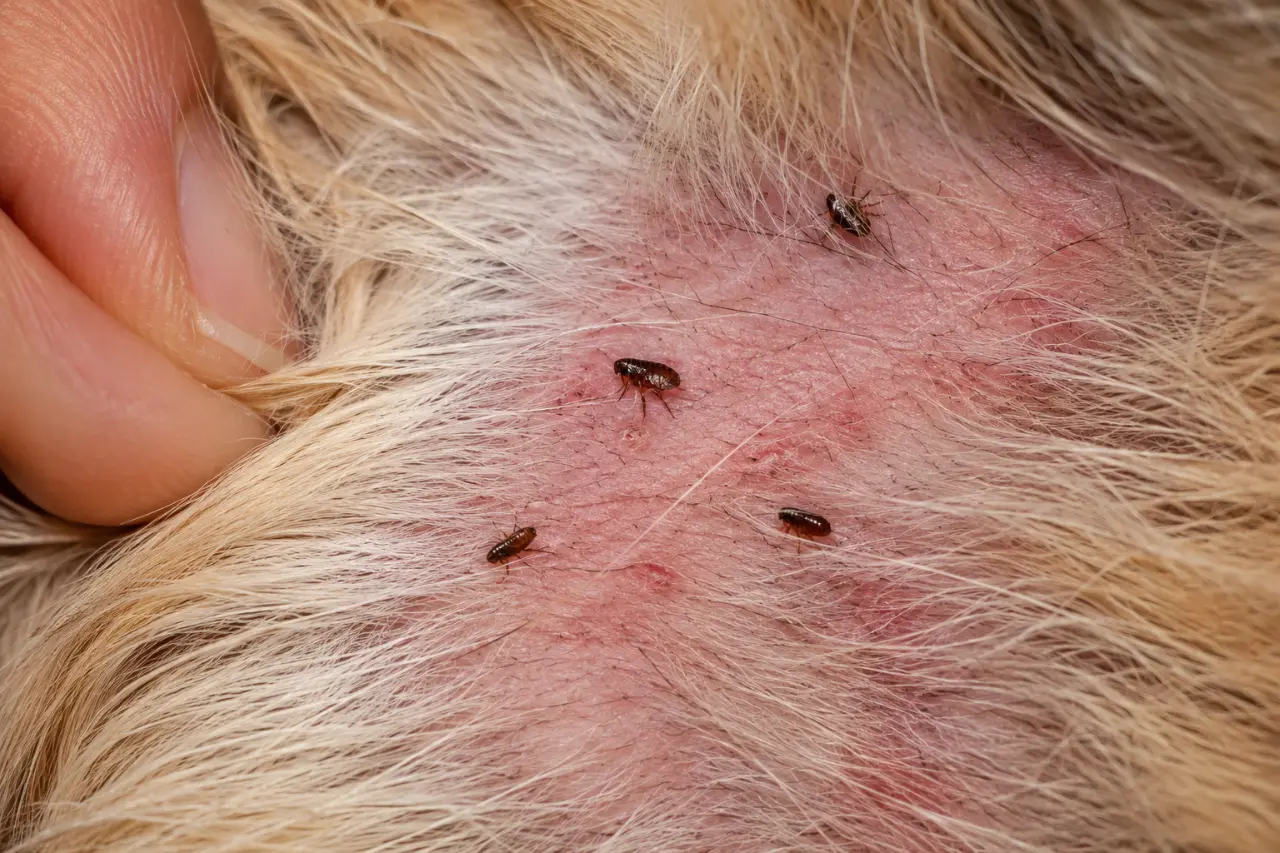
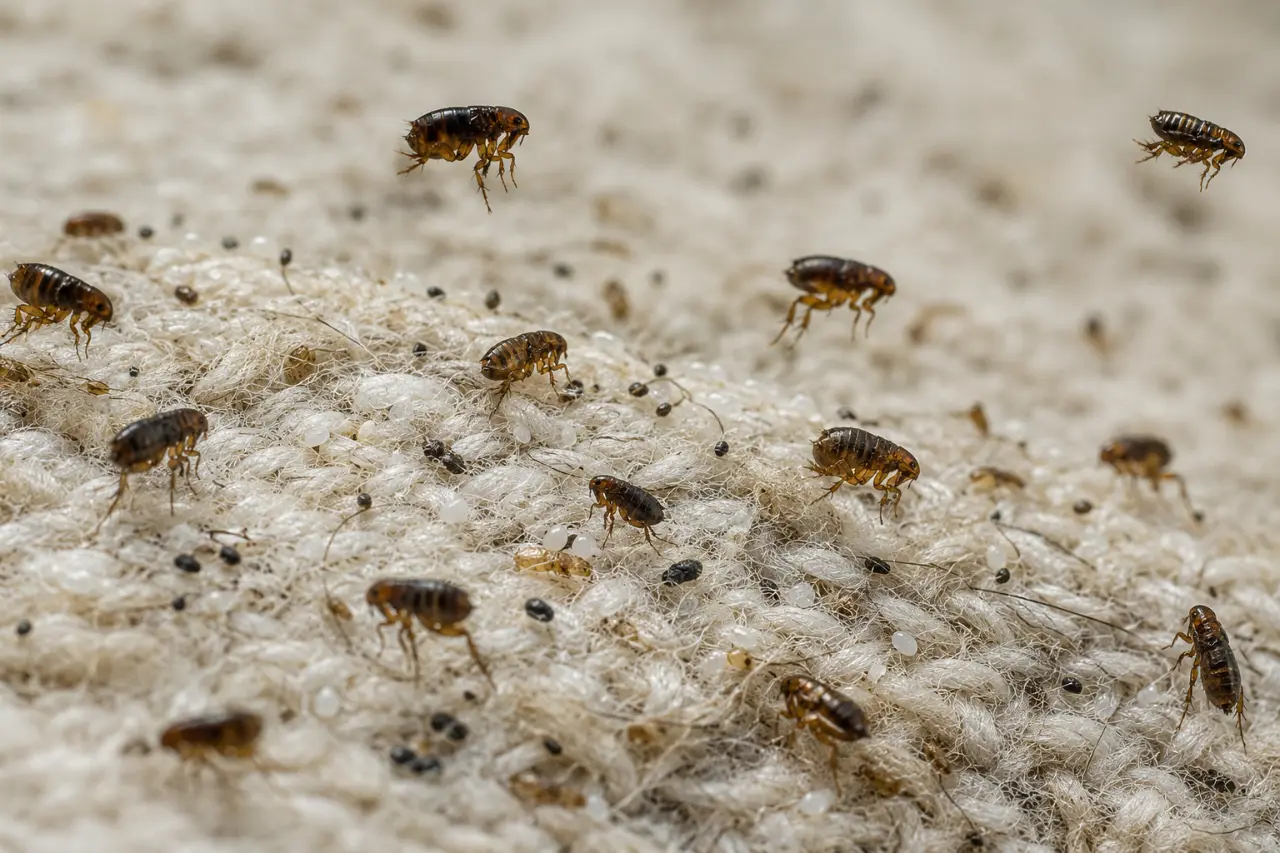
Only 5% of a flea infestation is adult fleas — the remaining 95% are eggs, larvae, and pupae hidden in carpets and furniture. Treating only the pet without treating the environment leaves the vast majority of the infestation intact.
Maintain year-round flea prevention on all pets — even indoor-only animals. Vacuum carpets and upholstery weekly and dispose of vacuum bags immediately to remove eggs from the home environment.
Residual IGR Spray Treatment (Pet-safe after dry; treat pets concurrently with vet product)
Consumer flea bombs treat only adult fleas and fail to penetrate deep carpet fibres where eggs and larvae harbour. Without an Insect Growth Regulator (IGR), the remaining 95% of the infestation continues to develop.
RainCity applies professional IGR treatments that disrupt flea development at every life stage combined with residual adulticides, ensuring the entire population is targeted — not just the adults you can see.
Residual IGR and adulticide application to all floor surfaces, upholstery, and pet resting areas. Concurrent pet treatment with veterinary-grade flea product is essential.
Adult flea activity eliminated within 24–48 hours. Full lifecycle control achieved over 2–4 weeks as dormant pupae emerge and contact the treated surfaces.
Signs of Activity
Early detection prevents small issues from becoming full infestations. Watch for signs in hidden or undisturbed areas.
Pet Scratching and Biting
Persistent scratching, biting at the base of the tail, and hair loss in pets are the most reliable early indicators of a flea infestation.
Bites Around Ankles
Red, intensely itchy bite marks appearing in clusters around the ankles and lower legs of humans — fleas jump from flooring to the nearest accessible host.
Flea Dirt
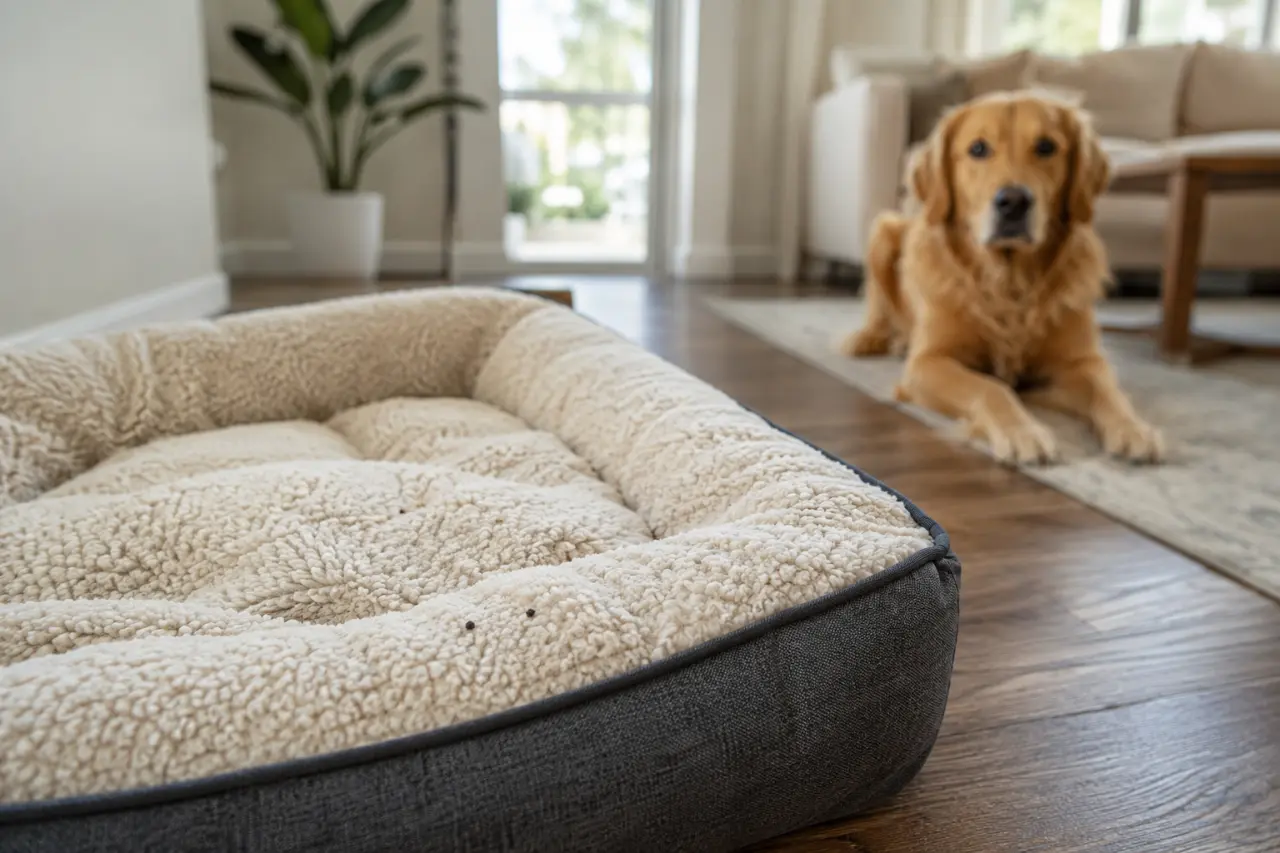
Tiny black or dark brown specks resembling ground pepper on pet bedding, carpet, or your pet’s skin. Moisten with water — if it turns red/rust coloured, it is digested blood (flea dirt), confirming infestation.
Visible Jumping Insects
Tiny dark insects jumping from carpet or furniture when disturbed. Wearing white socks and walking slowly across carpeted areas can help make them visible against the light background.
Pale Gums in Pets
In severe infestations, particularly in young or small animals, heavy flea feeding can cause anaemia — indicated by pale gums and lethargy. This requires immediate veterinary attention.
Frequently Asked Questions
Find expert answers to our most common questions and discover how we keep your home or business pest-free.
Yes. Fleas can be introduced by wildlife visiting your yard, by a previous occupant’s pets, or by you unknowingly carrying them in from outside. Dormant flea pupae can emerge weeks or months after the host animal has left.
Because 95% of fleas in your home are in the egg, larva, or pupa stage — not on your pet. The home environment must be treated simultaneously with the pet to achieve full control.
Fleas can transmit tapeworms to pets and occasionally to humans. They were historically responsible for transmitting bubonic plague, though this is extremely rare today. Their primary health impact is allergic skin reactions and secondary infections from scratching.
Flea pupae can remain dormant for up to 12 months waiting for vibration and heat signals from a passing host. Without treatment, an infestation can persist long after pets are removed from the property.
You will need to vacate the property (including all pets) for 2–4 hours during treatment and until surfaces are fully dry. After that, normal activity actually helps — foot traffic over treated carpets causes dormant pupae to emerge and contact the product.
Ready to Get Rid of Fleas?
Let our professional team protect your home or business with proven solutions that work.
Schedule an inspection
- Local, licensed & Insured
- Fast Response & Reliable Service
- Satisfaction Guaranteed